
Data & AI for the Legal CFO: From Reporting to Intelligent, Automated Finance


Following on from the challenges outlined in the first instalment in this series (read part one here), the next question most legal CFOs ask is: “what does better actually look like in practice?”. It’s not just faster reporting or cleaner dashboards. The real shift is in how finance works day to day, moving away from hindsight-driven reporting to a model where teams can see what’s happening, understand why, and act on it in real time.
Where Most Legal Firms Are Today
Most finance functions within law firms are still built around reporting cycles. Data is pulled together at month-end, reconciled across systems, and turned into reports that explain what has already happened. There’s value in that, but it’s inherently reactive. By the time the numbers are agreed and shared, the opportunity to influence outcomes has often passed. Instead of relying on static reports, finance needs to start working with live, connected data.
The Emerging Opportunity with Predictive Analytics
The real shift here isn’t about having more data, it’s about using that data earlier and more effectively. With the right foundations in place, finance teams can move beyond static reporting and start working with predictive insight. Rather than relying on fixed assumptions or periodic updates, forecasts can be based on live data that reflects what’s happening in the business. In practice, this means finance can:
- Update forecasts dynamically as new data comes in
- Spot patterns and anomalies as they emerge, rather than weeks later
- Understand where performance is trending before it shows up in reporting
Instead of identifying issues after month-end, teams can see them building and intervene earlier. For example, changes in billing realisation or utilisation can be flagged as they happen, allowing finance to step in before they start to impact overall performance.
Moving from Reporting to Decision Intelligence
As finance teams start to work with more timely, connected data and forward-looking insight, the natural next step is how that insight is actually used. This is where decision intelligence comes in.
It’s not about replacing reporting, it’s about shifting the role finance plays. Reporting becomes a by-product of a broader capability that supports decisions in real time.
I’ve outlined the difference below:
- Traditional finance explains performance after the fact
- A data-driven finance function surfaces insight as decisions are being made
- A more advanced model goes one step further and suggests actions based on what it sees
That last step is specifically where things start to change more fundamentally.
What We Mean by AI in Legal
One of the challenges with this topic is that AI gets used to describe a lot of different things. In reality, there are a few distinct capabilities at play, each doing something different:
- Machine learning: analysing historical data to predict outcomes
- Generative AI: summarising and generating content based on data
- Agentic AI: taking action by executing tasks and workflows
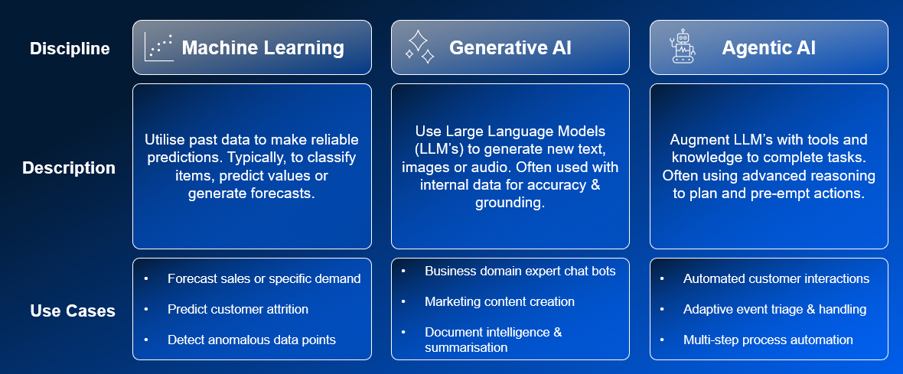
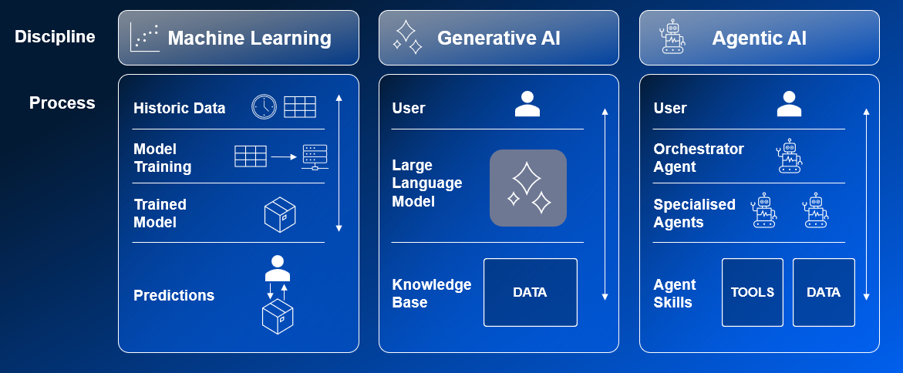
These visuals are useful here because they show how these capabilities fit together: from data and models through to how users interact with them. It also helps clarify that not all AI delivers the same value.
Most finance teams are already familiar with Machine Learning and Generative AI, but the biggest shift comes with the implementation of Agentic.
Where Agentic AI Changes the Game
Tools like copilots are useful because they help answer questions and surface insight. Solutions such as Microsoft Copilot for Finance are already helping finance teams automate routine activities, improve forecasting, and access insights directly within the applications they use every day. However, they still rely on someone to take that output and act on it.
Agentic AI moves beyond that. It can monitor data continuously, assess what’s happening, and trigger actions without needing someone to step in every time. Finance teams are still involved, but their role changes: they oversee the process rather than manually executing it.
You start to see this in a few core areas:
Billing
AI can analyse how time is captured and flag gaps where work hasn’t been billed. It can also improve billing narratives so they align with client requirements, reducing the chance of invoices being rejected.
WIP-to-Cash
In work-in-progress to cash, the process can be streamlined end to end. Time is identified, invoices are drafted, sent at the right point, and followed up automatically. Instead of chasing payments manually, finance is only pulled in where something needs attention.
Profitability Analysis
In profitability analysis, AI can monitor the drivers behind margin, things like write-offs or staffing mix, and highlight where performance is trending off track. It can even suggest where changes might improve outcomes.
These aren’t theoretical use cases. They’re areas where legal finance teams already spend a lot of time, and where automation can make a tangible difference.
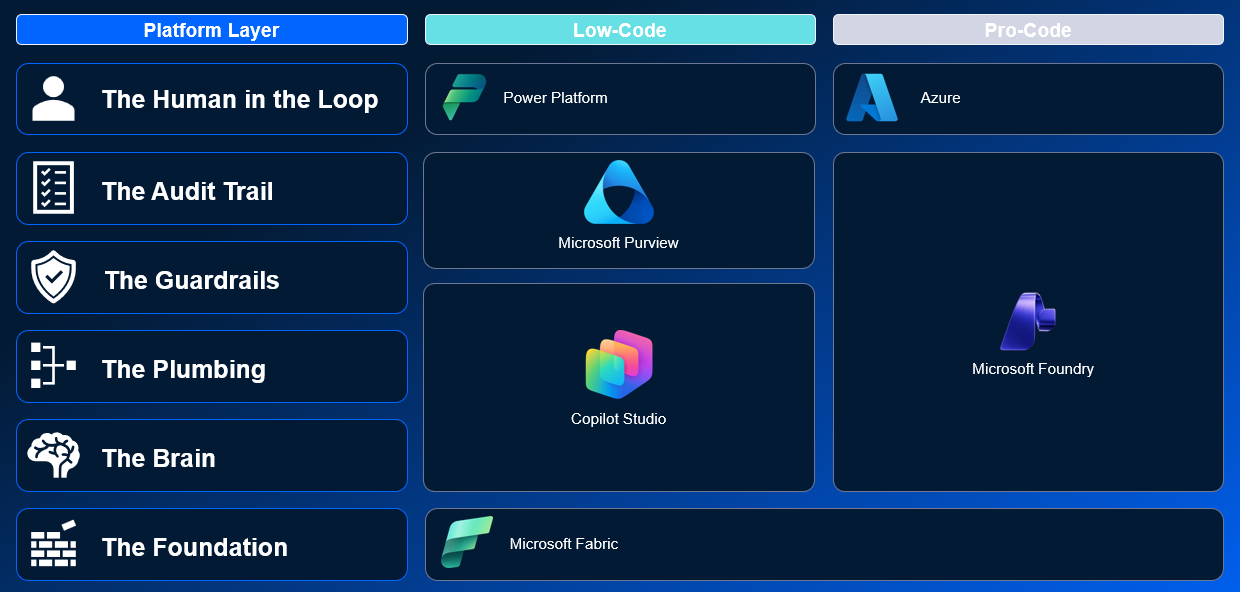
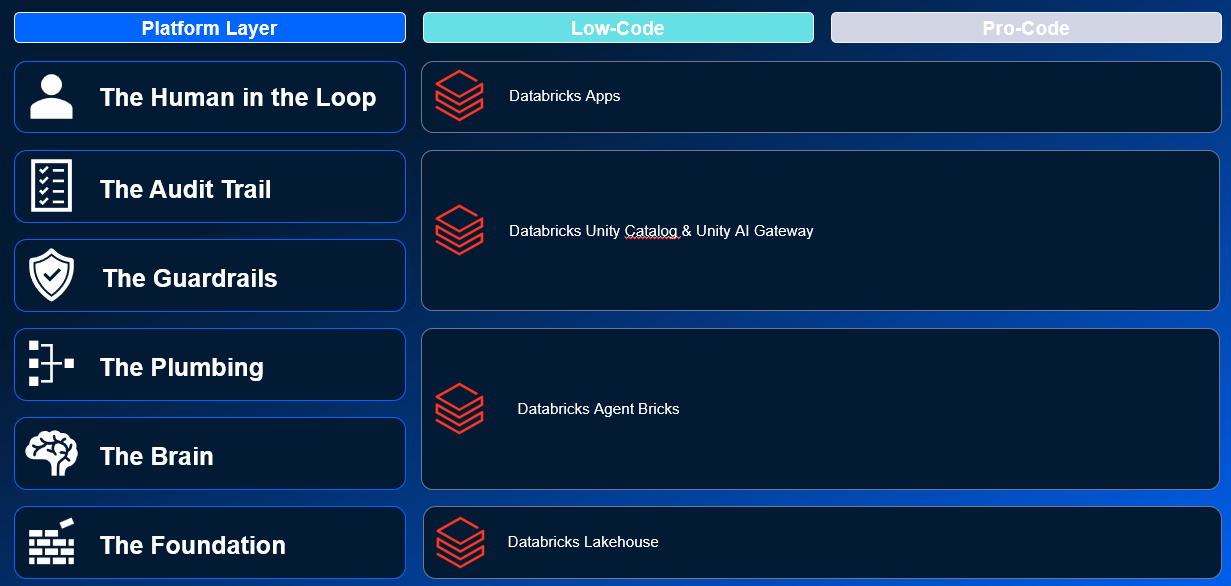
The Ingredients for Success in Agentic AI
It’s important to recognise that delivering this kind of capability relies on more than just introducing new tools.
From a finance perspective, there are a few core components that need to come together:
- Trusted data: a consistent, reliable foundation that everything runs on
- The brain: the models and logic that interpret and act on that data
- Connectivity: integration across systems so data and workflows can move freely
- Governance and guardrails: ensuring outputs are controlled, secure, and compliant
- Auditability: a clear view of what the system did and why
- Human oversight: finance still plays a role, especially around exceptions and judgement
When these elements are in place, CFOs can access insight and act on it quickly, without needing to navigate the underlying complexity.
Why Having the Data Foundation Matters
All of this depends on one thing: having the right data in place. If data is fragmented or inconsistent, AI doesn’t fix that, it amplifies it.
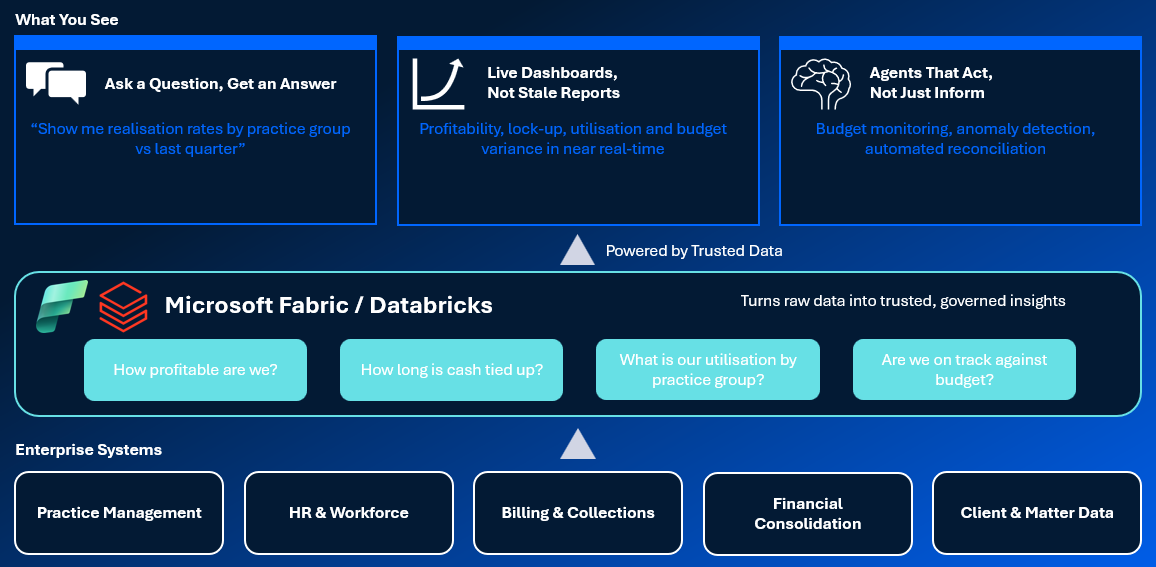
That’s why the role of a data platform is so important. It brings together data from across systems and creates a consistent, trusted view that everything else can sit on top of. Once that’s in place, you start to open a different way of working:
- Finance can query data directly and get answers quickly
- Reporting becomes live rather than static
- AI and automation can run across processes, not just within them
The diagrams below help show how that comes together: connecting systems, creating a central data layer, and enabling reporting, analytics, and AI from a single foundation.
The most successful organisations don’t just make data available, they create a culture where people trust it, understand it, and use it consistently to make better decisions, which is why data culture is just as important as technology.
The Enterprise AI Platform – Microsoft
The Enterprise AI Platform – Databricks
Finance Data Platform Architecture
What This Means for Finance
At a practical level, this changes how finance teams spend their time. A significant amount of manual effort can be reduced, particularly around data consolidation, reconciliation, and reporting.
Teams can focus on understanding what’s happening and deciding what to do next.
In practice, that means:
- Reviewing exceptions rather than processing everything manually
- Responding to issues earlier
- Spending more time working with the business on decisions
That’s where finance starts to add more strategic value.
What Comes Next?
This move towards intelligent, automated finance is already taking shape across the legal sector. The remaining challenge is how to approach it in a way that’s practical and delivers value early.
In the final post in this series, our Director of Client Engagement will outline where to start, which use cases to prioritise, and how to build a roadmap that moves from initial wins through to longer-term transformation.